
Johdanto
In the textile industry, the evolution of dyeing and printing techniques has reshaped the way knitted fabrics are developed and perceived. With the rise of sustainable technologies, high-definition digital printing, and refined dye chemistry, neulekankaiden värjäys painatus have achieved remarkable advancements in both functionality and aesthetics. Among the numerous features that define this progress, color fastness stands out as one of the most critical indicators of performance.
Neulekankaiden luonteen ymmärtäminen
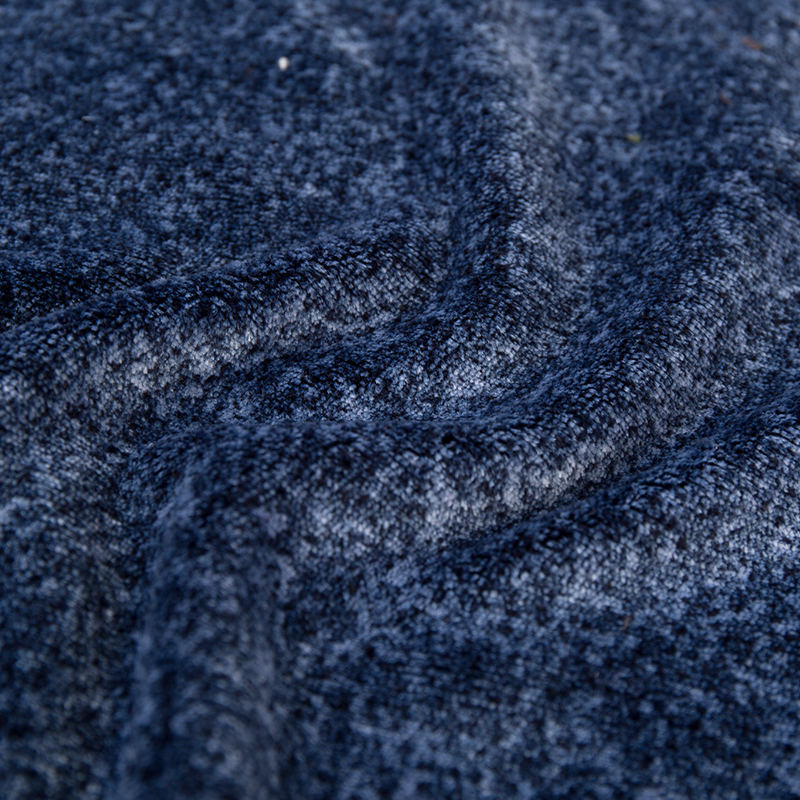
Knitted fabrics differ fundamentally from woven materials in their structure and behavior. Their interlooped yarns offer elasticity, softness, and excellent drape, but these same characteristics present challenges during dyeing and printing. Uneven tension, variable yarn density, and high porosity influence color absorption and dye penetration. Therefore, achieving uniform color and long-lasting prints requires highly controlled dyeing parameters and advanced printing formulations.
Knitted fabrics used in fashion, sportswear, and home textiles demand not only vivid color expression but also resistance to washing, light, and friction. These requirements form the foundation upon which modern dyeing and printing innovations operate.
The Core Mechanism: How Dyeing Improves Color Fastness
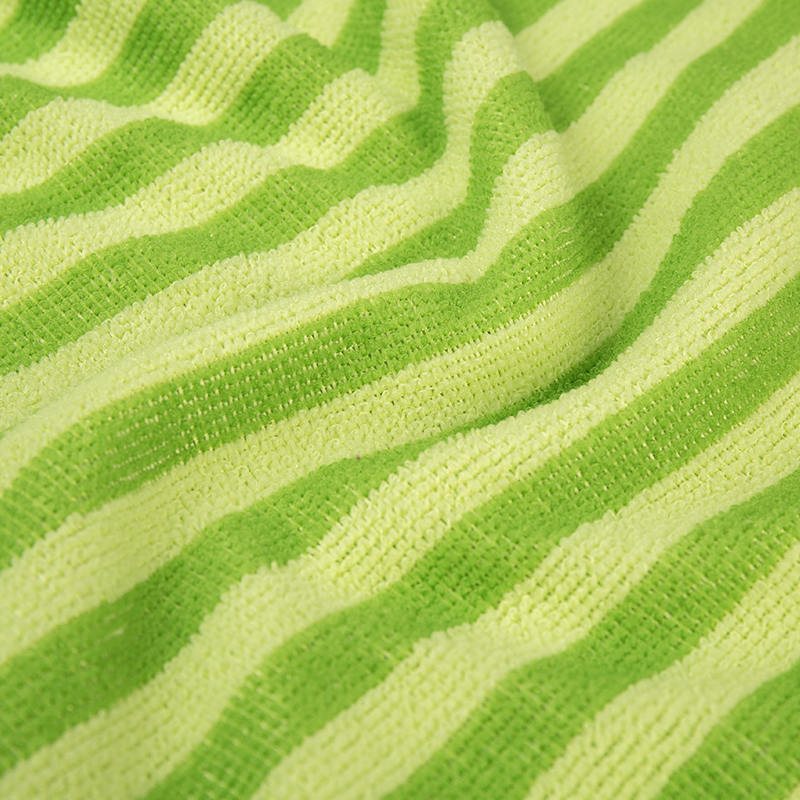
Dyeing is more than a process of color application—it’s a molecular bonding operation between fiber and dye. In knitted fabrics, reactive and disperse dyes are most commonly used, depending on the fiber type. Reactive dyes form covalent bonds with cellulose fibers, while disperse dyes physically penetrate synthetic yarns.
The level of dye fixation directly influences color fastness. Enhanced fixation methods, controlled temperature gradients, and optimized dye liquor ratios ensure consistent shade depth and minimal color bleeding. Modern dyeing technologies emphasize low-liquor ratio systems and controlled dye diffusion, which not only improve quality but also reduce water consumption.
| Dyeing Technique | Suitable Fiber Type | Main Advantage | Vaikutus suorituskykyyn |
|---|---|---|---|
| Reactive Dyeing | Cotton, Viscose | Strong fiber-dye bond | Excellent wash fastness |
| Disperse Dyeing | Polyester, Nylon | High dye penetration | Superior color depth |
| Acid Dyeing | Villa, silkki | Fine color variation | Enhanced vibrancy |
| Vat Dyeing | Cellulose-based | High durability | Fade-resistant finish |
Through these dyeing methods, knitted fabrics achieve a balance between vibrant coloration and durability, making them suitable for diverse end uses from casual apparel to high-performance textiles.
Printing Techniques and Their Influence on Visual Definition
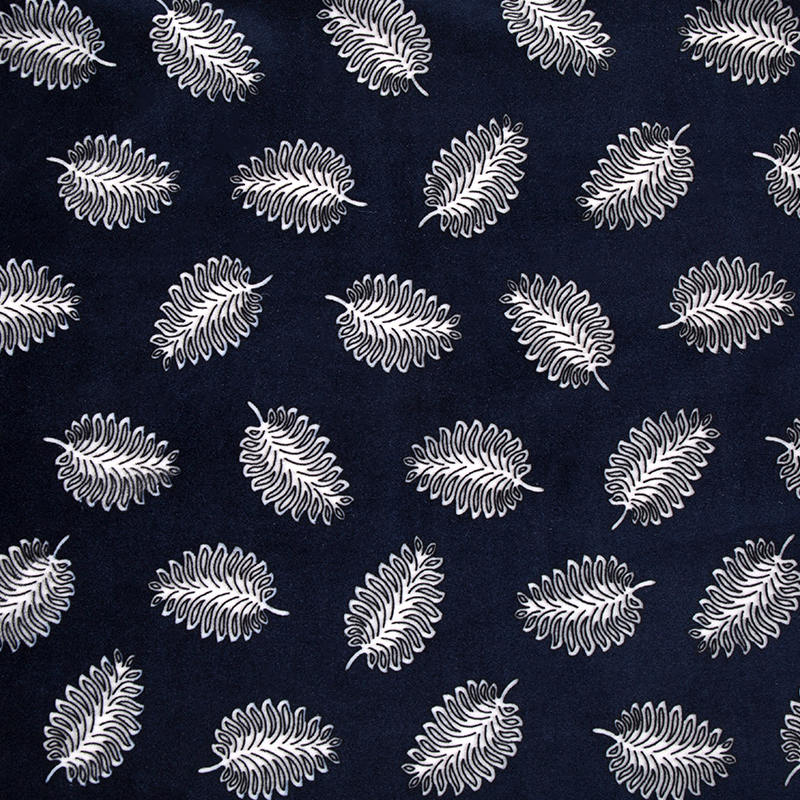
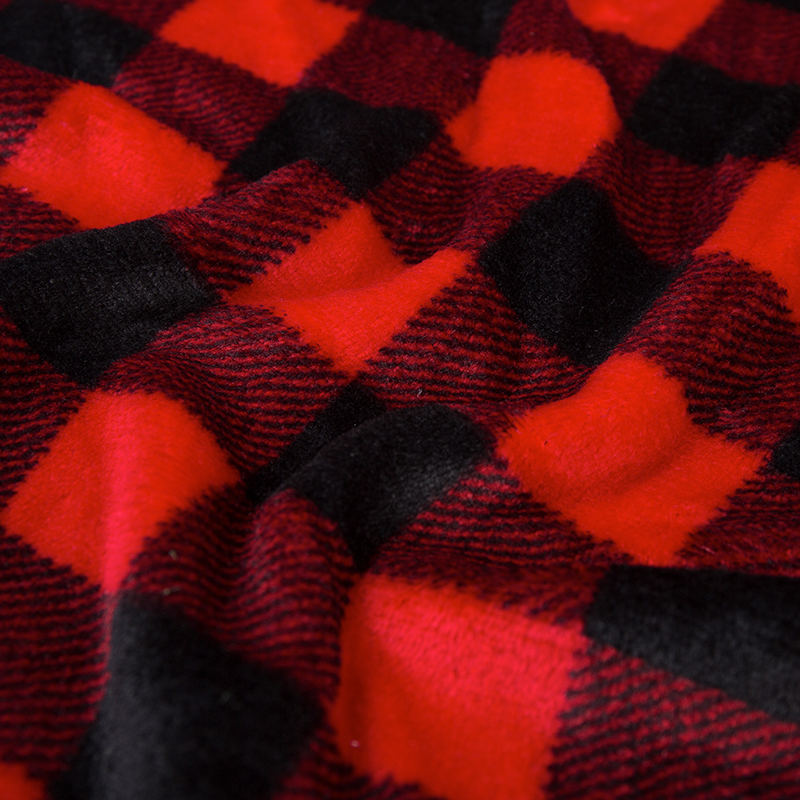
Printing converts plain knitted fabrics into expressive, design-oriented materials. Traditional rotary printing and modern digital printing offer distinct advantages depending on the production goals.
Digital printing has gained prominence due to its ability to deliver high-resolution patterns and customized designs without the limitations of engraved screens. For knitted fabrics, which are stretchable and porous, digital printing ensures better ink placement and minimal distortion. The use of reactive or pigment inks in these systems further improves color fastness and surface definition.
Key aspects such as ink viscosity, drying temperature, and pre-treatment composition determine the clarity and texture of printed patterns. Advances in pigment printing on knitwear have allowed for sharper outlines and enhanced wash resistance, bridging the gap between design aesthetics and durability.
| Tulostusmenetelmä | Keskeinen ominaisuus | Ink Type | Fabric Performance |
|---|---|---|---|
| Rotary Printing | Continuous high-volume | Pigment/Reactive | Hyvä väripeitto |
| Digitaalinen tulostus | Teräväpiirto, vähän hukkaa | Reactive/Pigment | Sharp design precision |
| Silkkipainatus | Simple pattern repeat | Pigment | Hyvä opasiteetti ja kirkkaus |
| Sublimaatiotulostus | Transfer via heat | Disperse | Erinomainen selkeys synteettisistä materiaaleista |
These methods illustrate how printing technologies contribute not only to the visual enhancement of knitted fabrics but also to maintaining elasticity, hand feel, and long-term wear performance.
Värien kestävyys suorituskyvyn vertailukohtana
Color fastness defines how well dyed or printed knitted fabrics retain their original hue under external influences such as washing, light, and perspiration. It is a composite measure of chemical stability and mechanical resistance.
Neulekankaiden värjäyspainatuksen yhteydessä värinkesto riippuu kolmesta kriittisestä tekijästä:
Kuituvärien yhteensopivuus: Determines the bonding strength and penetration level.
Käsittelyehdot: Temperature, pH, and treatment time influence fixation.
Jälkihoitomenetelmät: Saippuaminen, höyrytys ja lämpöasetus lukitsevat värin.
Improvements in color fixation chemistry—such as cationic pretreatments and enzyme washing—reduce unfixed dye residues, enhancing wash resistance. Similarly, the controlled curing of pigment-printed knits minimizes surface cracking and fading.
This focus on fastness ensures knitted fabrics maintain visual consistency even after extended use, reinforcing their reputation for quality and reliability.
Kestävä ja ympäristöystävällinen edistysaskel värjäystulostuksessa
Ympäristövastuusta on tullut ratkaiseva tekijä tekstiilien jalostuksessa. The conventional dyeing process consumes significant water and energy, making innovation in sustainability essential.
Modern eco-friendly dyeing for knitted textiles emphasizes:
Low-liquor ratio dyeing systems to minimize water usage.
Digital pigment printing to reduce chemical discharge.
Biohajoavat väriainekoostumukset jätevesien turvallisempaan käsittelyyn.
Energiatehokkaat kuivaus- ja kovetusprosessit.
Nämä edistysaskeleet eivät ainoastaan vähennä ympäristövaikutuksia, vaan myös parantavat prosessin tehokkuutta ja toistettavuutta. Sustainable dyeing technologies are thus transforming the knitted fabric industry by combining performance excellence with ecological responsibility.
The Role of Process Control in Enhancing Consistency
Yksi neulekankaiden värjäyksen ja painamisen toistuvista haasteista on erien tasaisuuden säilyttäminen. Langan kireyden, kankaan GSM:n ja kosteuspitoisuuden vaihtelut voivat aiheuttaa sävyeroja. Automaatio ja älykkäät ohjausjärjestelmät mahdollistavat nyt parametrien, kuten väriainepitoisuuden, lämpötilan ja pH-tasapainon, reaaliaikaisen seurannan.
Machine learning algorithms are also being integrated into modern dyeing lines to predict optimal process conditions, minimizing re-dyeing cycles and waste. Tuloksena on johdonmukainen tuote, jonka värilaatu on toistettava – olennainen osa laajamittaista vaate- ja kodintekstiilien tuotantoa.
Tulevaisuuden suunta: toiminnallinen ja esteettinen integraatio
Tekniikan kehittyessä värjäys ja painatus eivät enää rajoitu värien parantamiseen – ne ovat työkaluja toiminnalliseen innovaatioon. Tutkijat kehittävät toiminnallisia väriaineita ja musteita, jotka tarjoavat antibakteerisia, UV-kestäviä tai kosteutta siirtäviä ominaisuuksia.
Integroimalla nämä toiminnot värjäys- tai painatusvaiheessa neulekankaat saavat moniulotteisen arvon. Esimerkiksi hengittäviä ja värinkestäviä neuletekstiilejä aktiivisiin vaatteisiin voidaan luoda pehmeydestä tai joustavuudesta tinkimättä. Toiminnan ja muodon fuusio määrittelee tekstiilitekniikan seuraavan aikakauden.
Johtopäätös
The enhancement of knitted fabric performance through advanced dyeing and printing techniques marks a pivotal transformation in the textile sector. From improved color fastness and design definition to sustainable production and intelligent control, every stage of processing contributes to higher efficiency and better end-user experience. Dyeing printing knitted fabrics now represent the synergy between art, chemistry, and technology.